Construction delays frustrate owners, contractors, and designers alike. Tight schedules often unravel once materials arrive late or trades clash on site. Many teams search for building methods that reduce uncertainty while keeping quality intact. Prefabricated steel construction answers those concerns through a process built around efficiency and control.
Owners who prioritize speed choose prefab steel buildings because of shorter timelines, fewer interruptions, and durability. Shorter timelines ease financing pressure and allow businesses to open doors faster. Understanding the specific causes behind these time reductions explains why steel prefabrication keeps gaining traction.
Early fabrication removes idle time
Traditional construction often forces crews to wait for earlier phases to finish. Steel prefabrication changes that sequence through early component production. Structural frames take shape while site preparation moves forward independently. It allows parallel progress that removes long pauses from the schedule.
Fabrication follows clear production timelines set well before site activity peaks. Manufacturers commit to delivery dates that support accurate planning. Contractors rely on confirmed schedules rather than rough estimates. It creates momentum before materials even reach the site.
Simplified installation speeds structural work
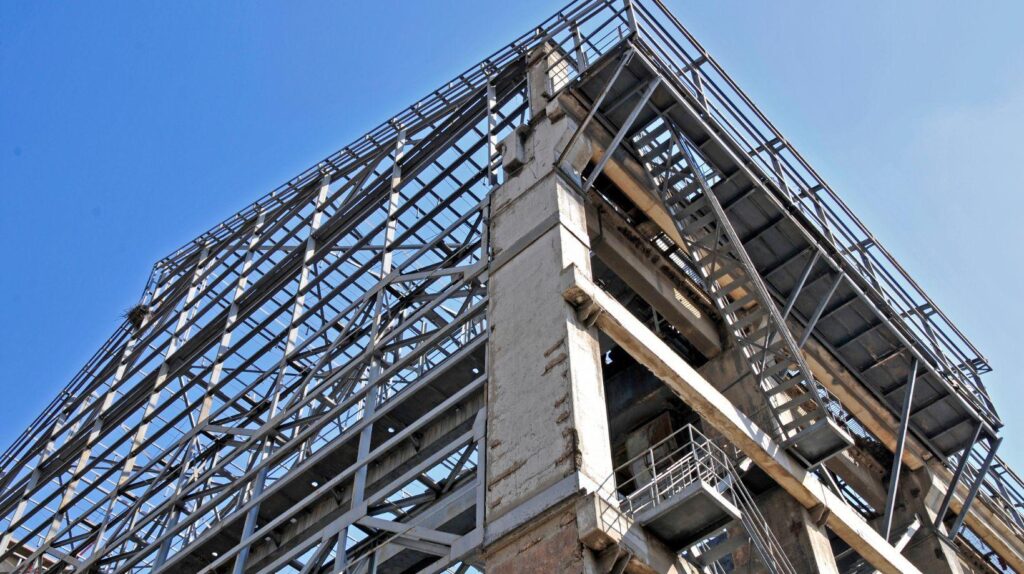
On-site fabrication often slows progress and increases coordination challenges. Prefabricated steel components arrive ready for placement instead of requiring extensive field adjustments. Crews focus on assembly rather than raw material handling. It keeps job sites cleaner and easier to manage.
Bolted connections replace time-consuming welding tasks. Larger structural sections install quickly with smaller crews. Reduced complexity lowers the risk of mistakes that cause rework. It directly shortens the framing phase.
The weather has less influence on progress
Weather frequently disrupts traditional construction schedules. Steel fabrication inside controlled facilities protects critical work from rain, snow, and temperature extremes. Production continues regardless of seasonal conditions.
Installation also benefits from shorter exposure to outdoor risks. Steel frames rise quickly once materials reach the site. Crews complete major structural phases before weather issues escalate. It helps projects stay aligned with original timelines.
Early coordination prevents mid-project delays
Timeline overruns often trace back to coordination failures. Steel prefabrication requires early collaboration between designers, engineers, and builders. Conflicts receive resolution during planning rather than during construction. It reduces costly changes later.
Clear structural layouts support smoother trade sequencing. Mechanical, electrical, and plumbing teams follow defined paths without constant adjustments. Predictable alignment reduces stop-and-start work patterns. It preserves momentum across all phases.
Streamlined inspections shorten approval cycles
Inspection delays commonly stall progress near key milestones. Prefabricated steel systems rely on certified fabrication processes and detailed documentation. Inspectors review familiar standards instead of one-off solutions.
Factory quality checks catch issues before materials arrive on site. On-site inspections focus on correct assembly rather than fabrication quality. Fewer failed inspections mean fewer return visits.
Faster enclosure advances interior schedules
Projects accelerate once buildings achieve enclosure. Steel structures support the rapid installation of wall panels and roofing systems. Enclosed spaces allow interior work without environmental disruptions.
Stable interior conditions compress finishing schedules. Flooring, equipment installation, and inspections move forward with fewer interruptions. Earlier enclosure often removes weeks from the total construction time. It pushes projects closer to completion sooner.
Construction speed improves when planning, production, and installation align. Steel prefabrication supports that alignment through predictable workflows and controlled execution. Prefab steel buildings shorten timelines by reducing idle time, limiting disruptions, and improving coordination. Owners benefit from faster occupancy and lower carrying costs. It explains why this approach continues to gain steady adoption across many project types.