You booked a stage. The deposit was paid. You thought that you had completed the task.
Then the delivery truck shows up, and the platform is too small for the band. Or the ground is not level. Or no one was thinking about the wind prediction until it was too late to change.
When the stage isn’t a good fit for the show, this can not only push back the entire show’s schedule, but it can also cause stress for all involved within the first hour of load-in.
The good news is that these problems are almost always preventable if planned in advance.
A successful event stage rental isn’t simply a platform that’s delivered on-site. It is one that matches performance, securely supports weight, and can be installed on schedule.
Here are six key factors that quietly determine whether or not an event stage rental is successful or a headache. Let’s look at how each one affects the organizer’s plan:
1. Right-Sized Stage Platform for Your Guest Count
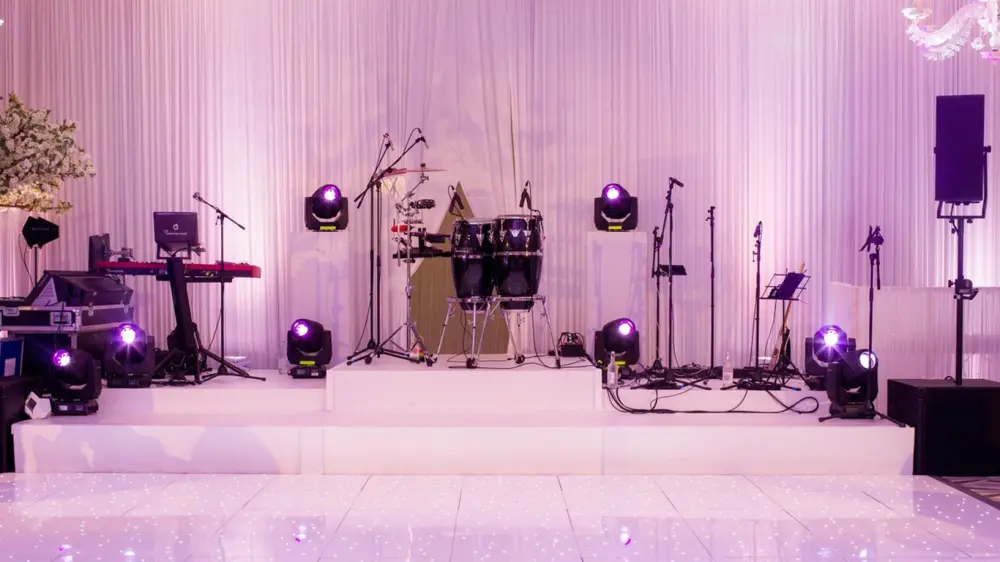
Platform size is one of the biggest factors influencing the success of an event stage rental. It impacts the comfort of the performers, the viewer’s line of sight, and the overall flow of the event. What’s fine for a duo of acoustic players may not be fine for a ten-piece band with a full back line. Guest numbers are just as important as the headliners – if you’ve got 80 people in a 300-capacity room, you should know immediately that that’s too small.
The logic for ceremony platforms is different, however, valuing an elegant, smaller footprint over raw metreage. Prior to defining dimensions, sketch out the use case (number of performers, instrument dimensions, and proximity of guests). This is the key to making a good-looking stage, a functional stage.
2. Structural Safety and Load Ratings
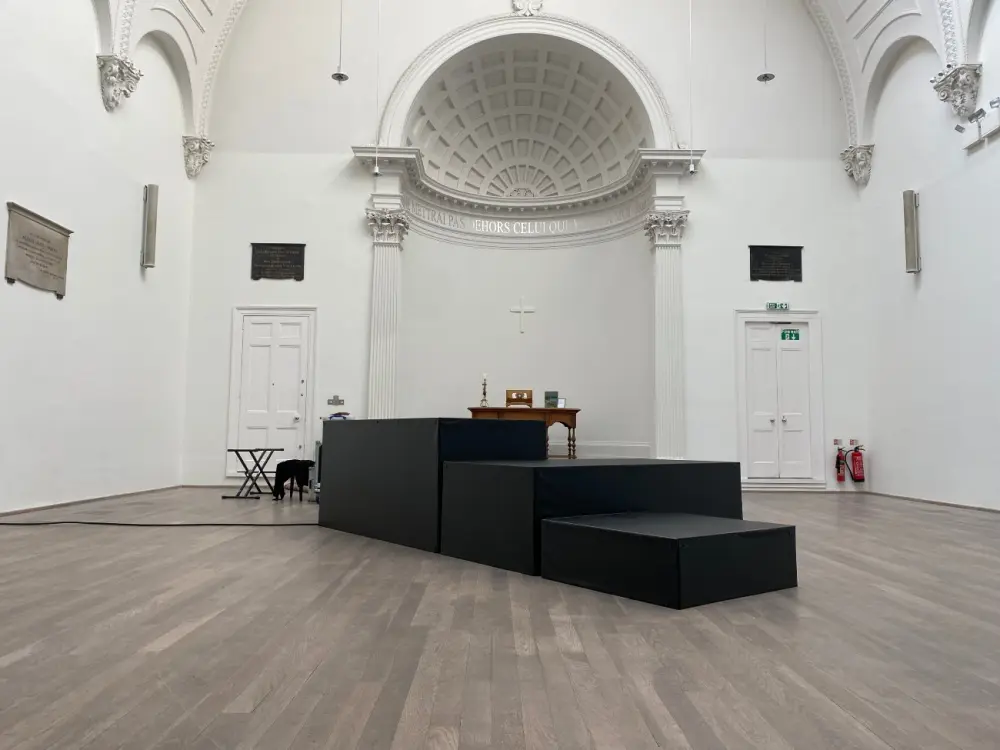
Structural safety affects success as it can cause delays in a build, fail an inspection, or put people at risk. The weight capacity of a platform can be influenced by the stage height, deck spacing, and placement of the guardrail for lighting platforms and/or tiered sections.
Advice on temporary demountable structures includes that this is a key aspect of safe event planning; even if there is a small platform, it should be documented and signed off by a competent person before an audience gets near it (SGSA).
Before booking, it’s worth asking a hire company for:
- Clear load limit indicator
- Safety compliance – CE certification
- Documented sign-off from the erector
That documentation validates that the stage was not just assembled in a rush but built to its design.
3. Weather and Wind Resistance for Outdoor Setups
Weather resilience plays a role in success because if the stage is not rated for the local wind, it can be unsafe in minutes, causing a delay in all that is planned. A platform that is safe for calm conditions can become unsafe when the number of guests is beyond the number the platform has been designed for. This is why mobile stages list wind-loading data, rather than some nebulous safety statements.
A detailed guide to procurement and design of temporary structures (an industry reference point) advises ensuring that the maximum wind speed a structure can withstand is determined well before construction day and not after (Institution of Structural Engineers).
Roof level is a factor, too – a flat deck doesn’t capture as much wind as a taller arc roof. True protection is a stage that’s designed for the weather of the region and not for the weather of the day.
4. Integration With Sound, Lighting, and AV Equipment
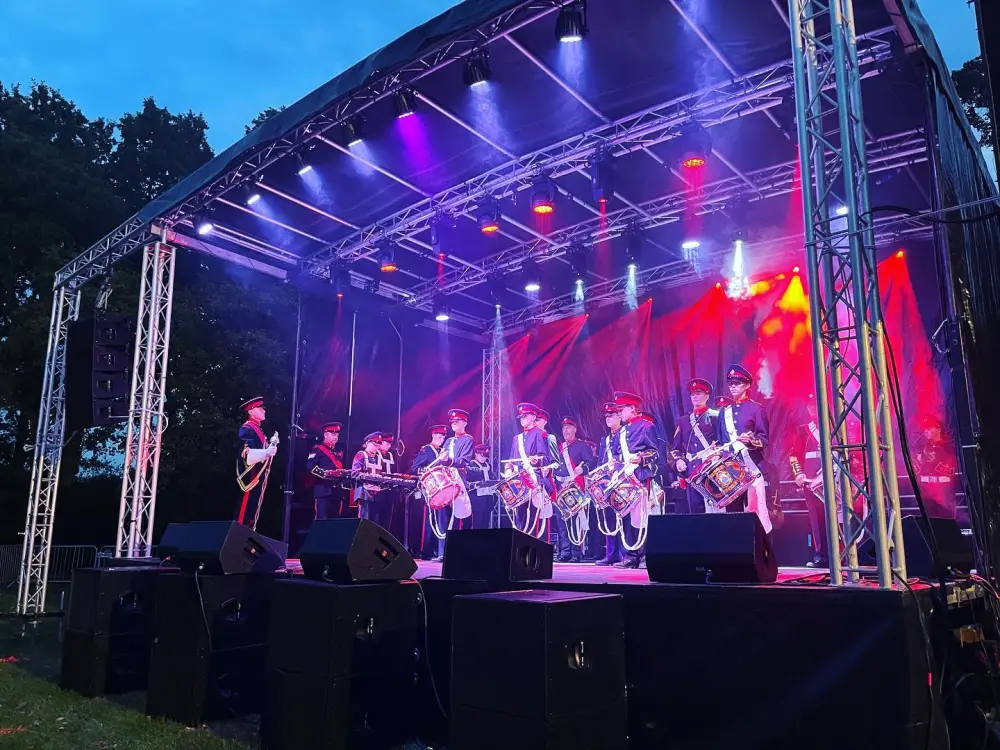
The topic of AV integration affects success since a stage is hardly a standalone unit. It typically mounts a whole technical installation consisting of sound, lighting, and occasionally LED screens, and a malfunction is instantly noticeable to the audience.
The limiting factor is the roof load capacity. A 1,000kg payload ceiling platform carries a small lighting package without much trouble. The addition of flown speaker arrays or large screens would soon push that number; therefore, before the construction, it is always worth considering a few points:
- Combined weight of lighting, sound and screen equipment.
- Rigging points and how they align with the stage roof.
- Full AV package power requirements.
It is important to coordinate these factors in the beginning, as opposed to the end, so that rigging does not fit poorly and last-minute troubles are avoided.
5. Accessibility and Sightlines for Every Guest
Accessibility impacts success because a stage that doesn’t work for standing guests means part of any audience is unable to experience it, and that doesn’t go well for anyone. A frequent oversight is ramp gradients.
A temporary ramp letting a wheelchair user safely climb a 30-inch change in level needs to be at least 30 feet long, far longer than most organizers’ budget for (ADA National Network). There are some questions to consider before finalizing the layout:
- Does the ramp route consider the entire guest list?
- Do step heights on a tiered stage need to be even in order for good sight lines?
- Are there companion seats available next to any viewing area?
Making buildings accessible from the ground up creates a truly successful stage not just for the acts.
6. Setup Time and Vendor Reliability
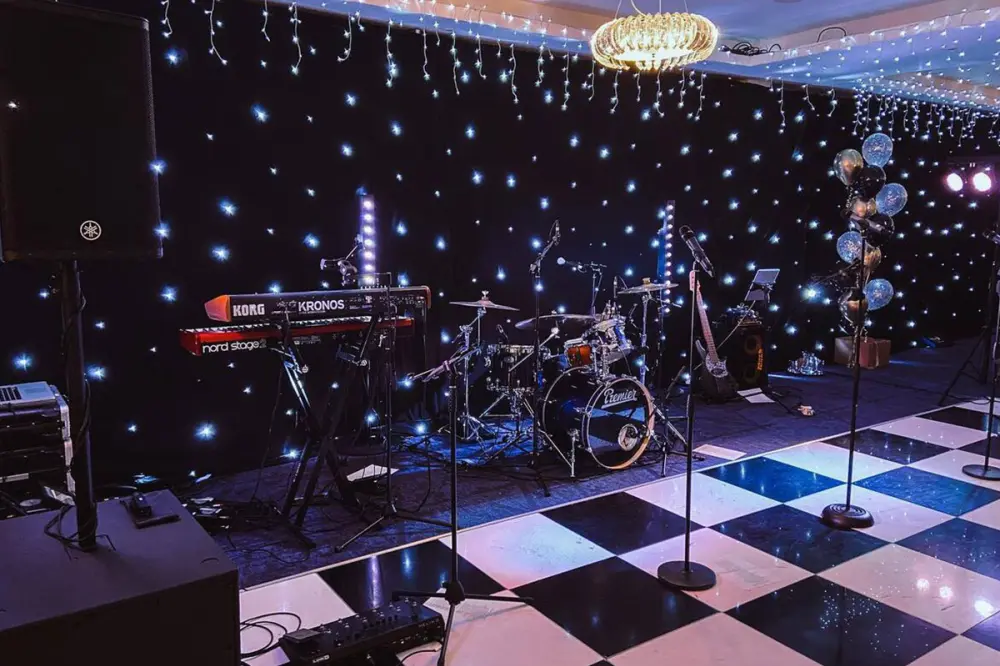
Vendor reliability is a factor in success, as the timing of stage construction can impact the entire event, such as sound checks and other vendors arriving on time. A mobile trailer stage set up in a few hours, depending on the number of people involved, saves manpower when compared to an on-site construction that requires 8 to 10 technicians. But speed isn’t everything – reliability is just as important. It is useful to pose some direct questions prior to signing:
- How many crews are on site, and how long is the build time?
- What if a component is damaged during transportation?
- If you have any backup components, do they move with the rig?
How the vendor responds to these questions can actually tell more about the day of the event than words in a brochure.
Conclusion
In the end, the key to a successful event stage rental lies in selecting the appropriate platform dimensions, verifying structural integrity, accounting for weather conditions, incorporating AV equipment, prioritizing accessibility, and partnering with a trustworthy supplier. All six of these factors won’t work independently.
Missing one would typically manifest as an issue in some other part, be it a stage that is too small to fit the lighting rig or an addition like a ramp that was not originally included. By considering these aspects prior to the event day, the chances of delay, safety concerns, and unforeseen expenses are significantly minimized, transforming the stage into a reliable base of the whole event rather than a rented platform.