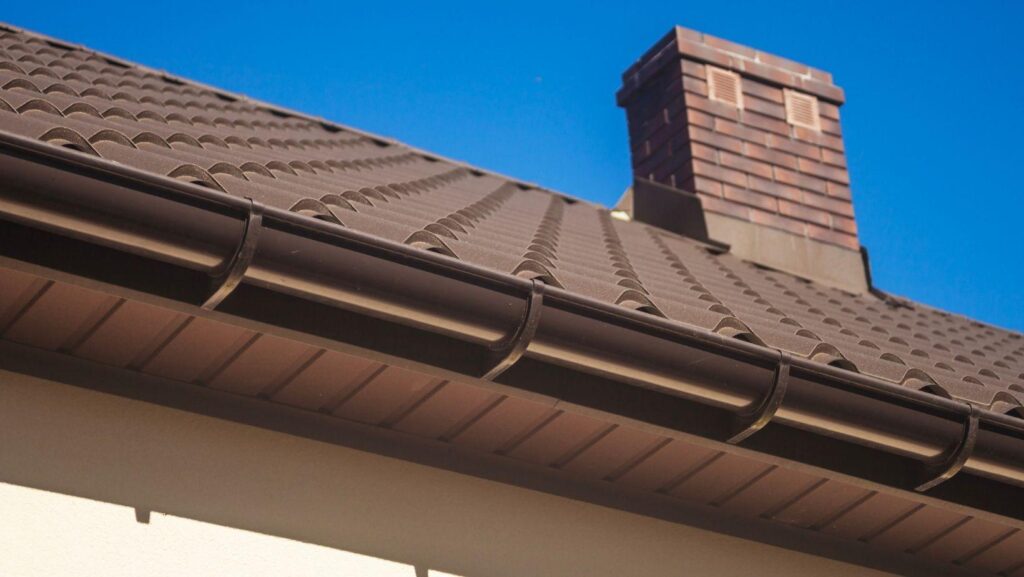
Metal might seem like the most solid thing on your house, but it is actually a lot more restless than it looks. If you have ever sat in a quiet house at night and heard a sudden pop or a creak from the ceiling, you are hearing the physics of temperature change in action. When it comes to your roof, specifically those metal edge components like drip edges and flashing, this movement is constant. If you are starting to notice gaps or loose metal, calling a roof repair Tooele contractor is a smart move before the next big storm hits. Over a few years, this back and forth stretching can actually pull your roof apart. Understanding why this happens can help you spot the signs of trouble before your attic turns into a swimming pool.
The Science of Thermal Expansion
Everything on earth reacts to heat. When molecules get warm, they start vibrating faster and taking up more space. For a long strip of aluminum or steel on the edge of your roof, that means the physical length of the material grows. When the sun goes down or a cold front blows through, those molecules settle down, and the metal shrinks back.
This would not be a problem if the metal were just floating in space. However, your roof edge is pinned down. It is nailed into wood, sealed with caulk, and tucked under shingles. When the metal wants to gro,w but the nails want it to stay put, something has to give. This creates a massive amount of internal pressure that slowly weakens the entire system.
How Fasteners Lose Their Grip
Imagine taking a nail and wiggling it back and forth a thousand times. Eventually, the hole in the wood is going to get wider than the nail itself. This is exactly what happens during expansion cycles. As the metal edge expands, it pushes against the shank of the roofing nail. When it cools and contracts, it pulls back.
Over hundreds of cycles, this creates a "bore-out" effect. The tight seal between the nail and the wood deck is destroyed. Once that hole is wallowed out, the nail loses its staying power. You might start to see "nail pops" where the heads of the fasteners are sticking up. At that point, the metal is no longer held tight against the roof. It is just sitting there, waiting for a strong wind to get underneath it and peel it back like a tin can.
The Failure of Sealants and Adhesives
Nails are not the only things holding your roof together. Most contractors use high-grade caulking or specialized adhesives to keep water from sneaking behind the metal flashing. The problem is that these sealants have a limited range of flexibility. They are designed to stretch, but every material has its breaking point.
As the metal edge components constantly grow and shrink, the sealant is pulled like a rubber band. Eventually, the bond between the metal and the sealant snaps. This creates tiny hairline fractures. You might not see them from the ground, but water is incredibly good at finding those cracks. Once moisture gets behind the metal, it starts to rot the wood underneath, which makes the fastener problem even worse because nails cannot hold onto rotted wood.
Why Local Climate Matters
In places with extreme temperature swings, this process happens at lightning speed. If you have a roof that goes from 20 degrees at night to 100 degrees in the direct afternoon sun, that metal is moving a lot more than a roof in a mild, steady climate. This constant tug-of-war is why edge components in mountain regions tend to fail much sooner than those in more temperate areas. It is a slow-motion mechanical failure that happens every single day the sun comes out.
Final Word
Ignoring your roof edges is a recipe for expensive repairs later on. If you notice your drip edge looks crooked or you see nails backed out of your flashing, do not wait for a leak to confirm your fears. Reaching out to a roof repair Tooele contractor can help you get those components secured and sealed before the next cycle of heat and cold does more damage. A little maintenance today prevents a total teardown tomorrow.