
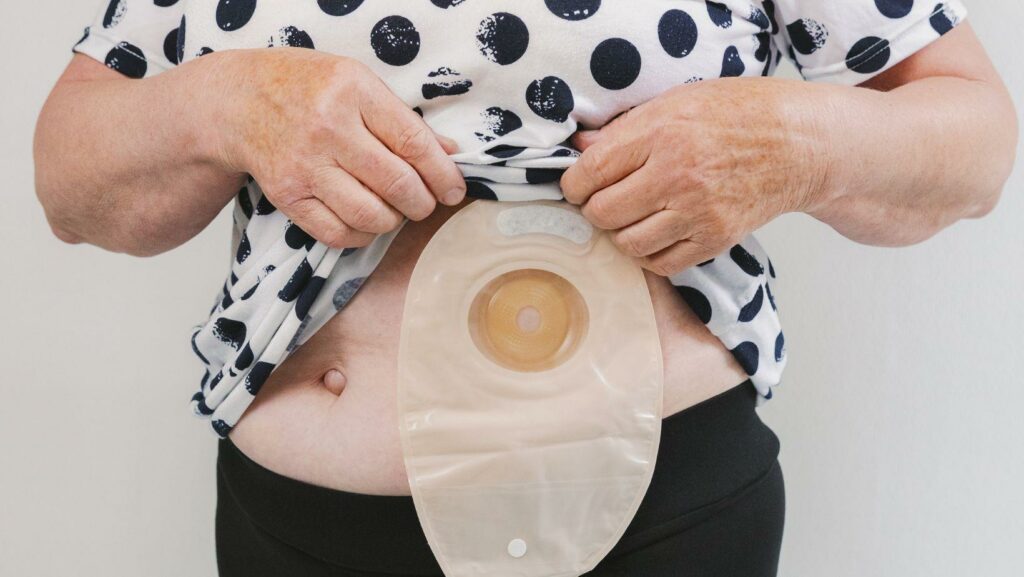
Living with a stoma can be a life-changing experience. For many people, ostomy surgery is necessary to restore health, manage chronic illness, or save a life. While the medical benefits are often clear, adapting to daily life with a stoma requires physical, emotional, and practical adjustments. With the right knowledge, products, and mindset, people with ostomies can maintain comfort, confidence, and a high quality of life.
This article provides a general overview of stoma care, lifestyle considerations, and common challenges faced by ostomy users. It also introduces tools such as thestoma cap, which may play a role in specific situations, helping individuals feel more secure and in control.
A stoma is a surgically created opening on the abdomen that allows waste to exit the body when part of the digestive or urinary system is no longer functioning normally. The stoma connects an internal organ—such as the small intestine, colon, or urinary tract—to the outside of the body.
There are several main types of stomas:
Each type of stoma has unique characteristics, including output consistency, volume, and frequency. These differences influence which ostomy products and care routines are most appropriate.
The Adjustment Period After Ostomy Surgery
The period following ostomy surgery can feel overwhelming. Many individuals experience a mix of relief, anxiety, and uncertainty. Learning how to manage a stoma takes time, and it is normal to face a learning curve.
Common early challenges include:
Support from stoma nurses, healthcare providers, and peer communities plays a vital role during this stage. Education and reassurance help transform ostomy care from a source of stress into a manageable daily routine.
Ostomy Appliances and Their Role in Daily Life
Modern ostomy care products are designed to be discreet, reliable, and adaptable to different lifestyles. The most common system consists of a pouch attached to the skin around the stoma using an adhesive barrier.
Key components typically include:
In certain situations, alternative solutions like closed pouches or caps may be used. For example, a stoma cap is sometimes chosen for short periods when output is minimal, such as after colostomy irrigation or during specific activities. While not suitable for everyone, these options can provide additional flexibility.
Skin Care: A Foundation of Comfort
Healthy peristomal skin is essential for comfort and appliance performance. Irritation, redness, or breakdown of the skin can lead to leaks and discomfort, making daily care more challenging.
Skin care is not only about hygiene—it directly affects confidence. When the appliance fits well and the skin feels comfortable, people are more likely to engage in daily activities without worry.
Clothing and Body Image Concerns
One of the most common concerns after ostomy surgery is how clothing will fit and look. Many people worry that their appliance will be visible or restrict their wardrobe choices.
In reality, most individuals can return to wearing their usual clothes with minimal adjustments. High-waisted garments, stretch fabrics, and supportive undergarments often help conceal appliances comfortably. Specialized ostomy underwear and wraps are also available for added security.
Over time, many people find that confidence grows as they become familiar with their body and appliance. Body image concerns are natural, but they often lessen as daily routines become second nature.
Nutrition and Digestive Awareness
Diet plays an important role in managing stoma output. While there is no single “ostomy diet,” being aware of how different foods affect digestion can prevent discomfort and unexpected issues.
It is important to remember that dietary tolerance varies widely. What works well for one person may not work for another, making personal observation and professional guidance essential.
Odor, Gas, and Noise: Managing Common Concerns
Fear of odor or noise is a frequent source of anxiety, especially in social situations. Modern ostomy products are designed with odor-barrier materials and filters that reduce gas buildup.
Practical strategies include:
These concerns often diminish with experience, as users learn what routines and products work best for their bodies.
Social Life, Work, and Travel
Having a stoma does not mean giving up an active social or professional life. With preparation and planning, people can travel, work, and attend social events with confidence.
Helpful tips include:
Many individuals report that once they overcome initial fears, their stoma becomes a minor part of their daily considerations rather than a central concern.
Physical movement is beneficial for overall health and emotional well-being. Most people with ostomies can return to exercise, including walking, swimming, yoga, and strength training.
Important considerations include:
Consulting healthcare providers before resuming intense exercise ensures safety and confidence.
The emotional impact of living with a stoma should not be underestimated. Feelings of grief, frustration, or embarrassment are common, especially in the early stages.
Connecting with others who have similar experiences often provides reassurance and practical advice that medical professionals alone may not offer.
Education and Long-Term Adaptation
Living with a stoma is an ongoing learning process. Bodies change, lifestyles evolve, and needs shift over time. Staying informed about new products and care techniques can significantly improve comfort and independence.
Regular follow-ups with stoma care nurses help address issues early and adapt care routines as needed. Education empowers individuals to make informed decisions about their health and daily life.
Conclusion
A stoma represents a significant change, but it does not define a person’s limits or potential. With proper care, reliable products, and emotional support, people with ostomies can lead full, active, and confident lives.
Understanding how to manage appliances, protect the skin, adapt routines, and explore options like specialized accessories allows individuals to regain control and comfort. Over time, what once felt overwhelming often becomes simply another part of daily life—manageable, familiar, and empowering.