Ever wondered what makes the internet tick? It all boils down to IP addresses. Like street addresses for your digital devices, IP addresses helps route data to where it needs to go. Today, we’re diving into the world of IP addresses, answering your burning questions with a pinch of fun and a splash of insight. Whether you’re a curious newbie or a tech-savvy hero, this guide will unravel the mysterious digits behind the 122.176.83.125 and much more. Let’s go.
122.176.83.125
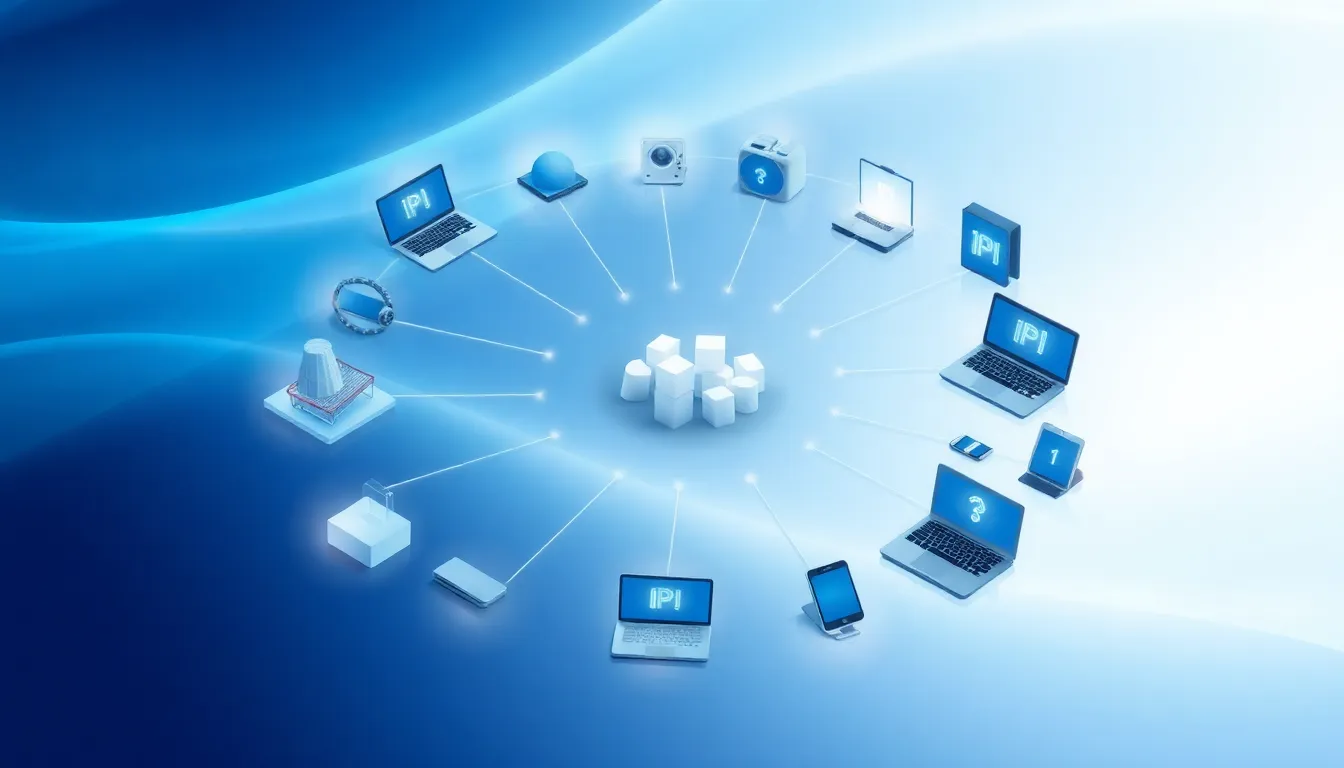
An IP address, or Internet Protocol address, is a unique identifier assigned to each device connected to the internet. This identifier works like a phone number or a mailing address, ensuring that data sent across the internet reaches the correct destination. Each device needs its own IP address, enabling communication between different devices, whether they are computers, smartphones, or smart appliances. Think of it as the secret code that helps devices decipher who they are talking to and where to send information. In a nutshell, without IP addresses, the internet wouldn’t function, aye, it’s that vital.
Types of IP Addresses
IP addresses can be broken down into several types, primarily distinguishing between IPv4 and IPv6 addresses.
IPv4 Addresses: These are the most commonly used types. Comprising four octets with values ranging from 0 to 255, they look something like this: 192.168.1.1. But, with the ever-growing number of devices, the IPv4 system is running out of unique addresses, hence the introduction of IPv6.
IPv6 Addresses: Designed to tackle the shortage of IP addresses, IPv6 uses a longer format, featuring eight groups of hexadecimal digits. These allow for a staggering number of unique address combinations, enough to offer every digital device its own IP.
Both types come in two forms: Public and Private. A public IP is assigned to a device directly accessing the internet, while private IP addresses are reserved for internal networks, such as those found in homes or offices. Each type serves a unique purpose and is essential to the overall functioning of online communications.
Breaking Down the IP Address 122.176.83.125
The IP address in question, 122.176.83.125, is an IPV4 address. Let’s do a quick deep jump into what this specific address reveals.
Geolocation of 122.176.83.125
Using various geolocation tools, the location of this IP can be pinpointed. Typically, such tools reveal the country, region, and city tied to the IP. In this instance, 122.176.83.125 traces back to India. This offers insights into where online requests may originate from, which can be crucial for businesses monitoring their traffic sources. Location data can also influence content delivery, ensuring users receive region-specific results.
Ownership and ISP Information
This IP is allocated to a specific Internet Service Provider (ISP). By examining the owner, businesses can derive insights into their audience. Knowing whether traffic is coming from residential connections or corporate settings impacts how content is curated and displayed. This can eventually shape marketing strategies and user engagement metrics.
Potential Uses and Implications
Understanding IP addresses like 122.176.83.125 can have far-reaching implications. For one, advertisers can tailor content based on an IP’s geolocation, ensuring users receive relevant ads and promotions. Besides, resolving an IP can assist in fraud detection, helping organizations recognize suspicious behavior patterns. On a more technical front, IT professionals need this knowledge for network management, implementing security measures, and optimizing performance. The potential applications of understanding IP addresses extend across multiple sectors, from finance to marketing, making it an invaluable resource.
Security Concerns Associated with IP Addresses
While IP addresses are essential for online connectivity, they also pose security risks. Hackers can exploit IP addresses to launch attacks, steal data, or conduct malicious activities. For individuals and organizations alike, safeguarding their IP is critical. Techniques such as using VPNs (Virtual Private Networks) can mask real IP addresses and enhance online anonymity, making it harder for malicious parties to exploit vulnerabilities. Also, firewalls and security protocols can help mitigate risks associated with IP address exposure.
Best Practices for IP Address Management
Organizations should adopt best practices for managing IP addresses effectively. Keeping an updated inventory can help track the assignment and usage of IPs accurately. It’s also wise to carry out a subnetting strategy to optimize network efficiency and conserve address space. Regular audits of IP assignments not only prevent conflicts but also ensure security measures are in place. Also, involving users in IP management training can increase awareness around risks and instill a culture of cyber hygiene. Balancing practicality with security is the key to effective IP address management.